
Indonesia’s forest management still faces serious challenges, particularly in protecting species of high conservation value from exploitation. Illegal logging no longer occurs sporadically; it is now part of a well-organized, sustainable supply chain that exploits regulatory loopholes and weak supervision.
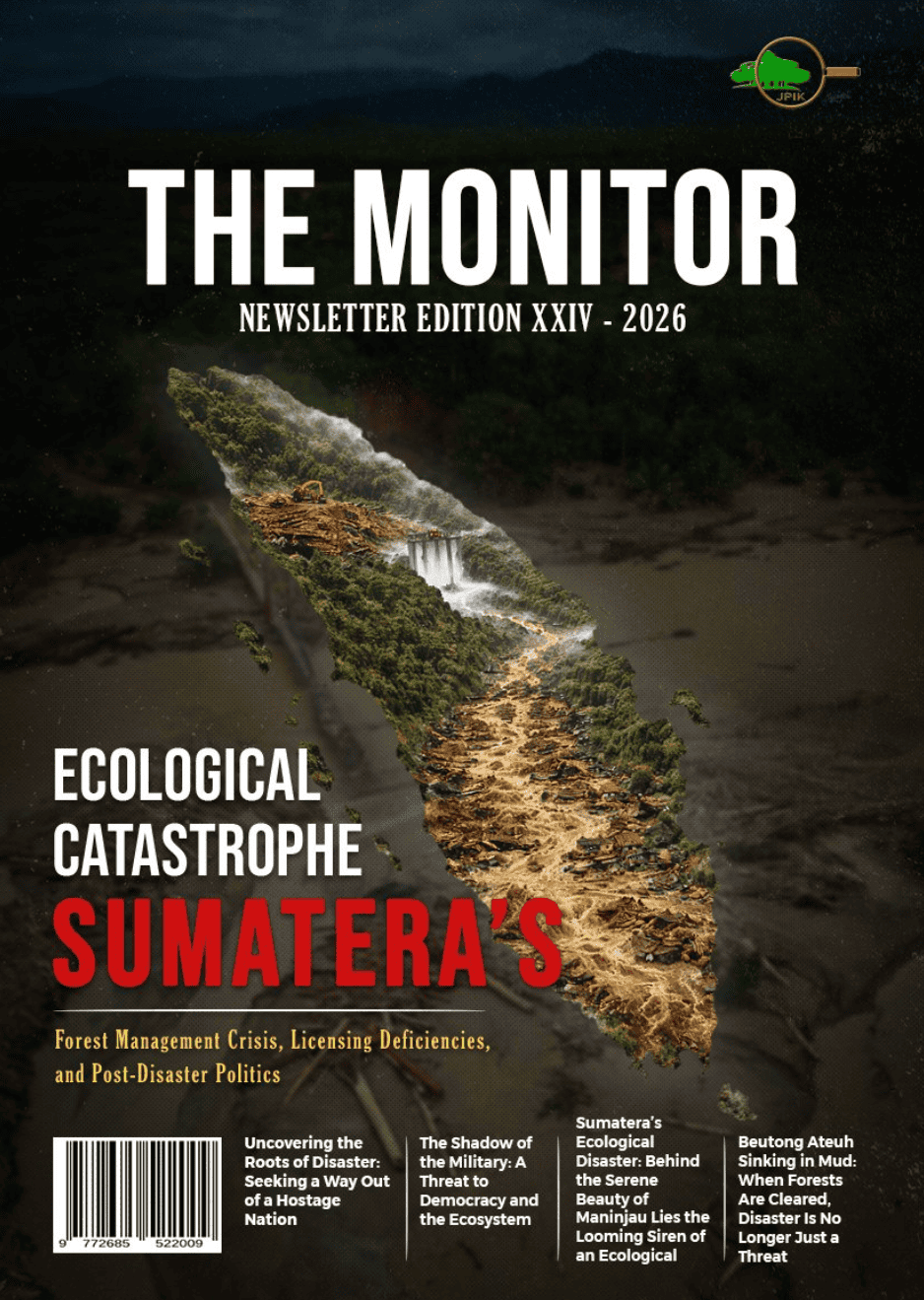
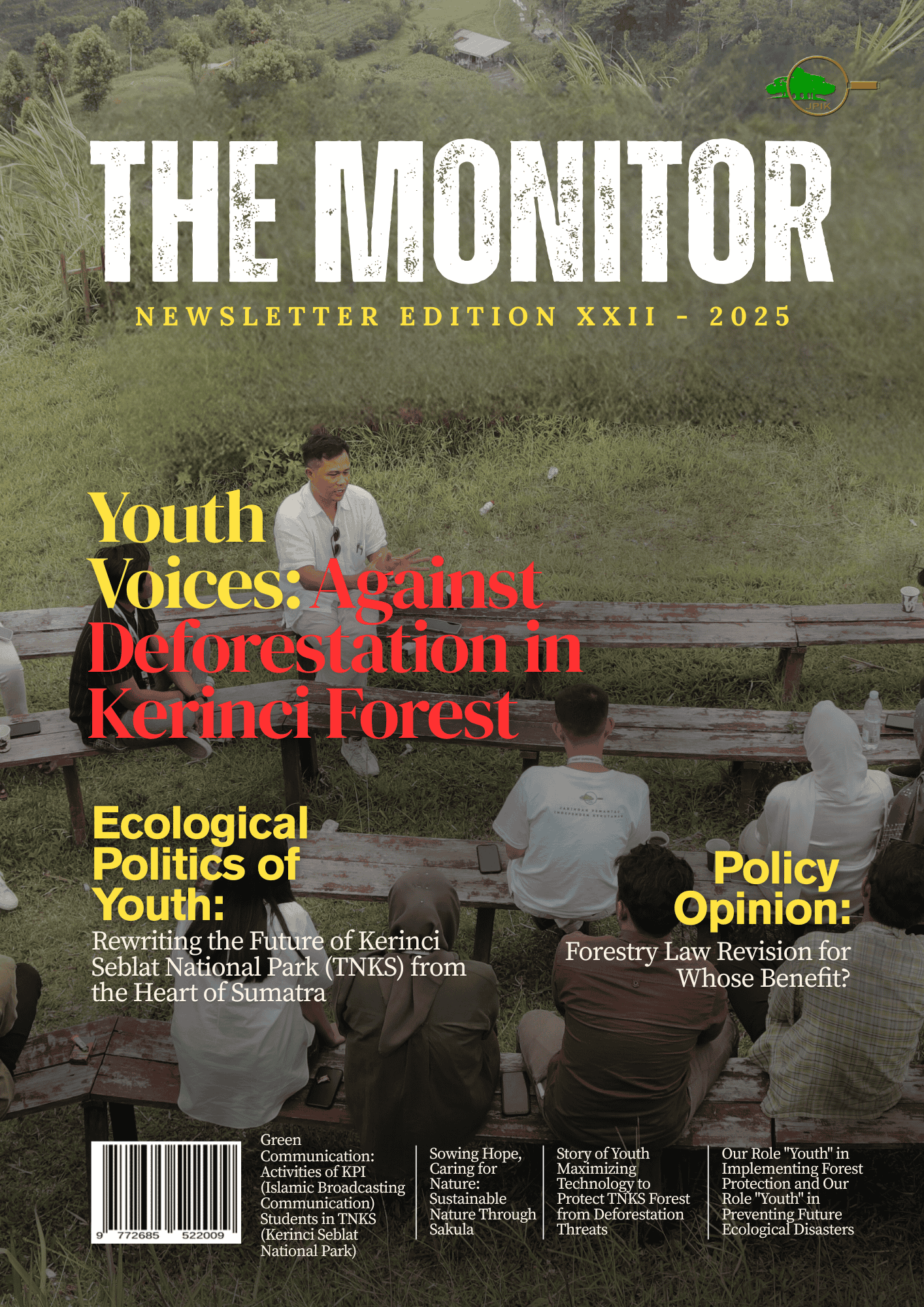
The Monitor, a quarterly newsletter published by the Independent Forestry Monitoring Network (JPIK), serves as a platform for sharing information and field monitoring results and for offering critical reflections on forest governance in Indonesia from various perspectives.
The 23rd edition addresses the issue of the ramin (Gonystylus bancanus) timber trade. Ramin is an endemic species of peat swamp forest that has been classified as critically endangered and listed in Appendix II of CITES. JPIK’s field investigation in Central Kalimantan reveals that ramin logging persists in protected areas and that the timber enters the market via an opaque supply chain. These findings highlight how vulnerabilities in the monitoring and verification system are exploited to perpetuate the exploitation of a protected species.
However, this edition goes beyond presenting monitoring findings. Two additional articles offer scientific and policy perspectives, providing different angles on ramin and its management. Discussions on the digitization of supply chains and peat forest governance contextualize ramin in terms of ecology, regeneration, and the necessity of technology-based monitoring systems. Meanwhile, the article on wood forensics demonstrates how a scientific approach can strengthen sustainable forest management systems and positively impact confidence in the Indonesian timber trade when introduced into the forestry legal system.
By combining civil society monitoring and scientific approaches, The Monitor Edition XXIII encourages readers to view the issue of ramin more holistically — not just as a legal violation, but also as a governance challenge requiring systemic, evidence-based, knowledge-driven reforms.